

TL;DR:
- Authentic, native-style content outperforms polished ads in digital campaigns across platforms.
- Engaging audiences with community interaction and relatable formats boosts algorithmic reach.
- Combining organic, paid, and AI-driven efforts creates sustainable, effective product promotion strategies.
Many brands pour serious budget into polished, high-gloss promotional content only to watch it underperform against a competitor's shaky smartphone clip. The counterintuitive reality is that stripped-back, platform-native digital campaigns routinely outperform traditional ads across e-commerce and entertainment categories. As culturally resonant digital experiences prove time and again, attention is not won through production spend alone. This article covers the practical frameworks, data-driven approaches, and common pitfalls that marketing professionals need to rethink product promotion in 2026 and beyond.
Table of Contents
- Understanding the new rules of product promotion
- Proven creative frameworks for shareable digital content
- Optimising formats and interactions for maximum reach
- Balancing paid, organic, and AI-driven product promotion
- What most brands get wrong about product promotion in 2026
- Supercharge your next campaign with professional production
- Frequently asked questions
Key Takeaways
| Point | Details |
|---|---|
| Native formats win | Vertical, lo-fi video and UGC are now essential for high engagement in digital product promotion. |
| Real interaction matters | Replying to comments supercharges social reach and builds community trust. |
| Blend paid and organic | Combine fast paid reach with authentic, community-led content and data-driven testing for the best results. |
| Innovation over polish | Culturally relevant, shareable, and platform-native campaigns outperform traditional ads—and resist creative fatigue. |
Understanding the new rules of product promotion
Product promotion has always evolved alongside consumer behaviour, but the pace of change in digital channels has made previous playbooks genuinely obsolete. Algorithms no longer reward the brand that shouts the loudest. They reward the brand that earns the most authentic interaction, and that distinction matters enormously for how you plan and execute campaigns today.
For e-commerce brands, the core challenge is converting attention into purchase intent quickly, often within a few seconds of a scroll. Entertainment brands, by contrast, are selling an experience before they sell a ticket or subscription, which means emotional resonance needs to land first. Both disciplines now operate on platforms that were built for creators, not advertisers, and that shift in architecture has real consequences for your content strategy.
One of the most damaging habits still found in many brand accounts is engagement bait. Posting a provocative caption with no editorial integrity, or asking followers to tag someone for a prize, might generate a surface-level spike. However, algorithms now penalise engagement bait and redirect reach away from accounts that rely on it. The short-term numbers look fine; the long-term damage to your distribution is quietly catastrophic.
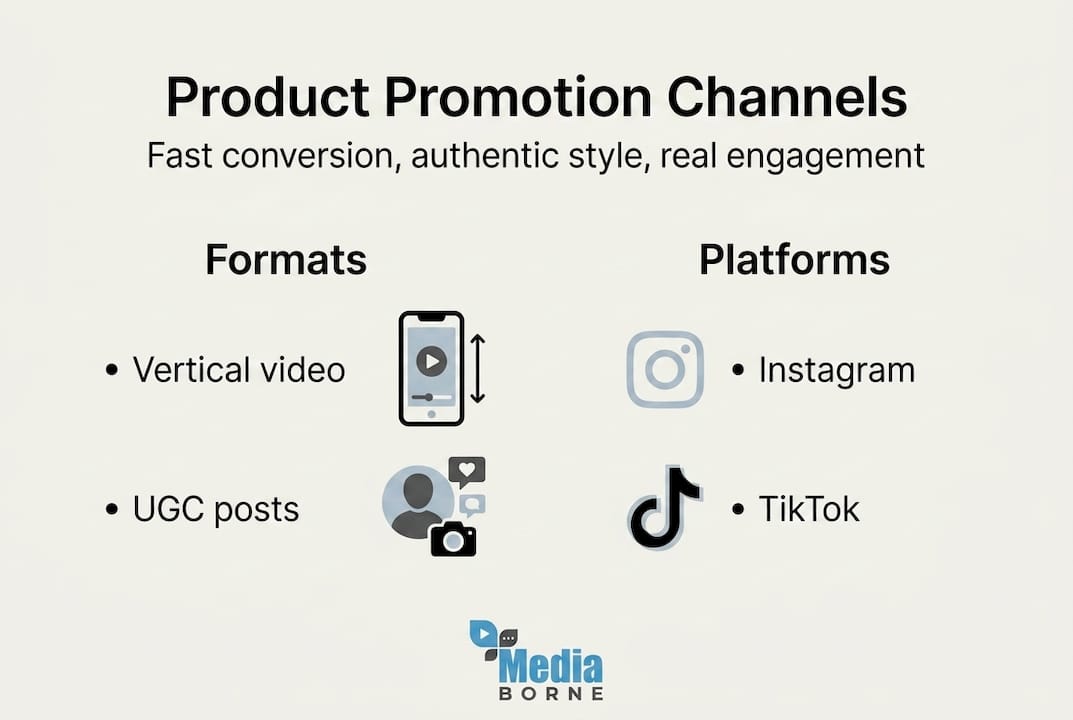
What actually works is content that mirrors how real people communicate on each platform. Vertical video, sound-off-friendly formats, and UGC-style aesthetics are not creative shortcuts. They are signals that your brand understands the environment it is operating in. Lo-fi and UGC-style content consistently outperforms over-produced ad formats because it feels native rather than intrusive.
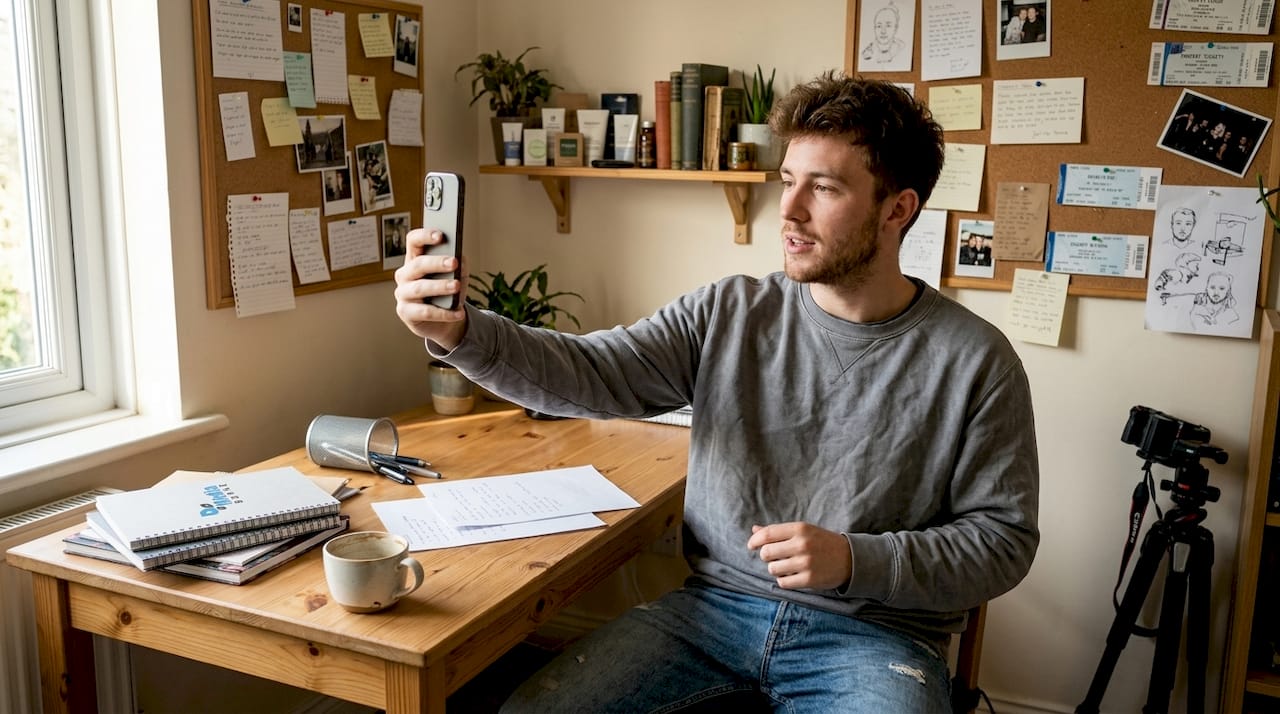
Staying current with latest production trends is no longer optional for teams that want algorithmic favour. Equally, a focused approach to boosting social media engagement through genuine replies and community interaction is now a baseline requirement, not a nice-to-have.
| Approach | E-commerce brands | Entertainment brands |
|---|---|---|
| Primary goal | Conversion and basket value | Awareness and emotional buy-in |
| Best-performing format | Short vertical video with CTA | Immersive, story-led clips |
| Biggest risk | Over-polished, ad-like content | Platform-agnostic creative |
| Community tactic | Product reviews, Q&A replies | Fan theories, cast interaction |
Key formats to prioritise:
- Vertical video (9:16 ratio) for discovery feeds
- Sound-off captions and on-screen text for passive scrollers
- UGC-style or lo-fi aesthetics to signal authenticity
- Reply-first engagement to signal community health to algorithms
Pro Tip: Before producing any new campaign asset, ask whether it looks like something a real person would post. If it looks like an ad, it will be treated like one by both the algorithm and your audience.
Proven creative frameworks for shareable digital content
With these new ground rules clear, it's essential to look at creative frameworks that consistently outperform standard promotional content. The brands generating the most organic reach are not necessarily the ones with the biggest budgets. They are the ones with the sharpest creative architecture.
Brand storytelling rooted in lore and character is one of the most reliable frameworks available. When audiences become invested in a narrative universe, they become unpaid advocates. They argue, speculate, and share content not because they were incentivised to, but because they are genuinely engaged. Influencer co-branding works best when the influencer's identity is genuinely woven into the campaign rather than bolted on as a late endorsement.
Personalisation at scale is another framework that has proven its value repeatedly. Shareable, data-driven campaigns such as Netflix's tarot-style personality activations work because they make each participant feel seen and then give them a socially shareable artefact to post. The campaign does the distribution work because each share is an act of self-expression for the participant.
Spotify Wrapped demonstrates precisely why using personal data as a marketing lever creates compulsive sharing behaviour. It is not advertising. It is a mirror that audiences hold up to themselves, and it travels everywhere because people want to show others what that mirror reflects.
Here is a practical sequence for building a campaign with this logic:
- Start with a genuine audience insight, not a product feature
- Identify the emotional or social currency that insight unlocks
- Build a platform-native format that delivers that currency (quiz, prediction, personalised result)
- Layer in your product or brand message as the vehicle, not the headline
- Plan for conversation by seeding questions in comments and replies
Choosing the right framework directly affects strategies for marketing ROI, especially when organic sharing reduces your cost per impression significantly. For teams exploring branded entertainment strategies, this audience-first sequence is particularly effective at generating sustained attention rather than a single viral moment.
"The most shareable campaigns are not about the brand at all. They are about the audience. The brand is just the reason the moment exists."
| Campaign type | Share driver | Best platform |
|---|---|---|
| Personalised data reveal | Self-expression | Instagram, TikTok |
| Lore and character storytelling | Fan speculation | YouTube, TikTok |
| Influencer co-creation | Identity alignment | TikTok, Instagram Reels |
| AR and interactive experiences | Novelty and play | Instagram, Snapchat |
Optimising formats and interactions for maximum reach
Once you have chosen the right creative framework, the next step is maximising reach through format and interaction choices. This is where many well-planned campaigns fall short. The creative idea is strong, but the execution ignores the mechanical realities of how each platform distributes content.
Replying to comments is the single most underused growth lever in social media marketing. Replying to comments boosts engagement by up to 42%, and this interaction signals to the algorithm that your content is generating genuine community activity rather than passive consumption. Speed matters here. Replying within the first hour of posting carries the most algorithmic weight.
Format selection is equally important. Vertical video in the 9:16 ratio is now the baseline for discovery on TikTok, Instagram Reels, and YouTube Shorts. If your content is not optimised for this format, you are effectively building a billboard and placing it underground. Sound-off viewing is still dominant across most platforms, which means on-screen text and visual storytelling need to carry the full narrative without relying on audio.
Platform distinctions are often overlooked. Instagram Reels tend to deliver wider reach and new audience discovery. Carousel posts, however, consistently outperform on depth of engagement with existing followers. A smart content calendar uses both in tandem rather than defaulting to one.
Exploring social video strategies in detail will help you match your content type to the right distribution mechanic. Understanding formats for higher engagement means you stop guessing and start making deliberate choices based on what each format is actually built to do. Teams that regularly optimise video campaigns through iterative testing consistently outperform those that treat each video as a one-off production.
Format quick-reference:
- 9:16 vertical video: discovery and new audience reach
- Sound-off captioning: passive scroll environments
- Lo-fi aesthetics: authenticity signals, lower creative fatigue
- Rapid comment replies: community health signals to algorithm
- Carousels: in-depth engagement with warm audiences
Pro Tip: Set a calendar reminder to reply to every comment within 60 minutes of posting. This single habit can meaningfully shift your reach without spending a penny more on production or media.
Balancing paid, organic, and AI-driven product promotion
With formats and interactions optimised, the central strategic question is how to allocate your promotional effort across paid, organic, and AI-driven tactics. Each has genuine strengths, and the worst outcomes come from treating them as mutually exclusive choices.
Paid media delivers speed. If you need reach in 48 hours for a product launch or time-sensitive campaign, paid is the right tool. The risk is creative fatigue. When the same audience sees the same ad repeatedly, performance drops sharply and your cost per result climbs. The solution is volume testing, running multiple creative variants and rotating them based on real performance data.
Organic growth is slower but builds something paid cannot buy: trust. Consistent posting, genuine replies, and community-led content create an audience that stays and advocates. The trade-off is time. Brands that treat organic as a long-term investment, rather than a quick-win channel, are the ones with resilient audience bases when paid costs spike.
AI-driven content is rapidly becoming a volume tool for creative testing. The risk is over-relying on AI for the creative voice itself. Hybrid approaches balancing AI efficiency with human creative instinct consistently outperform either extreme. Use AI to generate variants, test copy angles, and analyse performance patterns. Use humans to craft the narrative, the tone, and the community interaction.
Here is a practical allocation framework:
- Organic first: develop the core creative idea and community voice
- Test with paid: amplify the best-performing organic content rather than creating separate ad assets
- Use AI for iteration: generate headline and caption variants, test at scale, and feed learnings back into organic strategy
- Measure holistically: track brand sentiment and community growth alongside ROAS
For teams exploring brand-led media approaches, this integrated model tends to deliver the most sustainable results. Keeping pace with evolving media production trends ensures your paid and organic assets stay relevant as platform preferences shift.
"The brands winning in 2026 are not choosing between paid and organic. They are using each to make the other stronger."
Common mistakes to avoid:
- Running paid on content that has not been organically validated
- Using AI-generated content without a human editorial pass
- Measuring organic success by reach alone rather than community depth
- Ignoring creative fatigue signals in paid campaign data
What most brands get wrong about product promotion in 2026
Here is the uncomfortable truth: most brands still treat product promotion as a broadcast problem. They build an asset, push it out, and wait for results. When results disappoint, they spend more on distribution rather than questioning the creative logic.
The brands genuinely winning right now are operating with a completely different mental model. They see every campaign as a conversation starter rather than a message delivery system. Creative fatigue and inauthentic polish kill campaign effectiveness far faster than budget constraints do, and the fix is not more spend. It is creative agility and a willingness to let the audience co-author the story.
Consistency matters more than virality. A single viral spike looks impressive in a quarterly report but often leaves no lasting community behind it. The brands with durable audience loyalty post regularly, reply openly, and let their social media video production evolve in response to what their community actually engages with. That responsiveness is the real competitive advantage, and it cannot be bought.
Supercharge your next campaign with professional production
Putting these strategies into practice requires both creative clarity and production capability. Most marketing teams have the insight. The gap is often in execution: moving quickly enough, maintaining quality across formats, and keeping content feeling native rather than corporate.
Media Borne works with e-commerce and entertainment brands to bridge exactly that gap. Whether you need video production services that feel platform-native rather than ad-like, social selling video content built for live commerce and TikTok Shop, or immersive virtual production that creates genuinely shareable experiences, the team is built to deliver at the speed and scale modern campaigns demand. Explore these services as the logical next step in your 2026 promotional strategy.
Frequently asked questions
What type of content format drives the highest engagement in product promotion?
Native, vertical video in 9:16 format, especially lo-fi and UGC-style content, consistently drives higher engagement than traditional, polished ads across TikTok, Instagram, and YouTube Shorts.
How crucial are replies to comments in increasing social reach?
Replies to audience comments can boost algorithmic reach by up to 42%, making active, fast-turnaround community management one of the highest-return activities available to social media teams.
Do paid ads or organic content perform better for product promotion?
A hybrid approach works best. Paid ads deliver fast reach for time-sensitive campaigns, while organic and community-driven content build the sustained trust and audience loyalty that paid alone cannot manufacture.
Should brands prioritise creative volume or quality?
High-velocity creative testing informed by data-driven insights yields better results than a quality-only approach, particularly when AI is used to generate and iterate variants while human editors maintain the creative voice.