
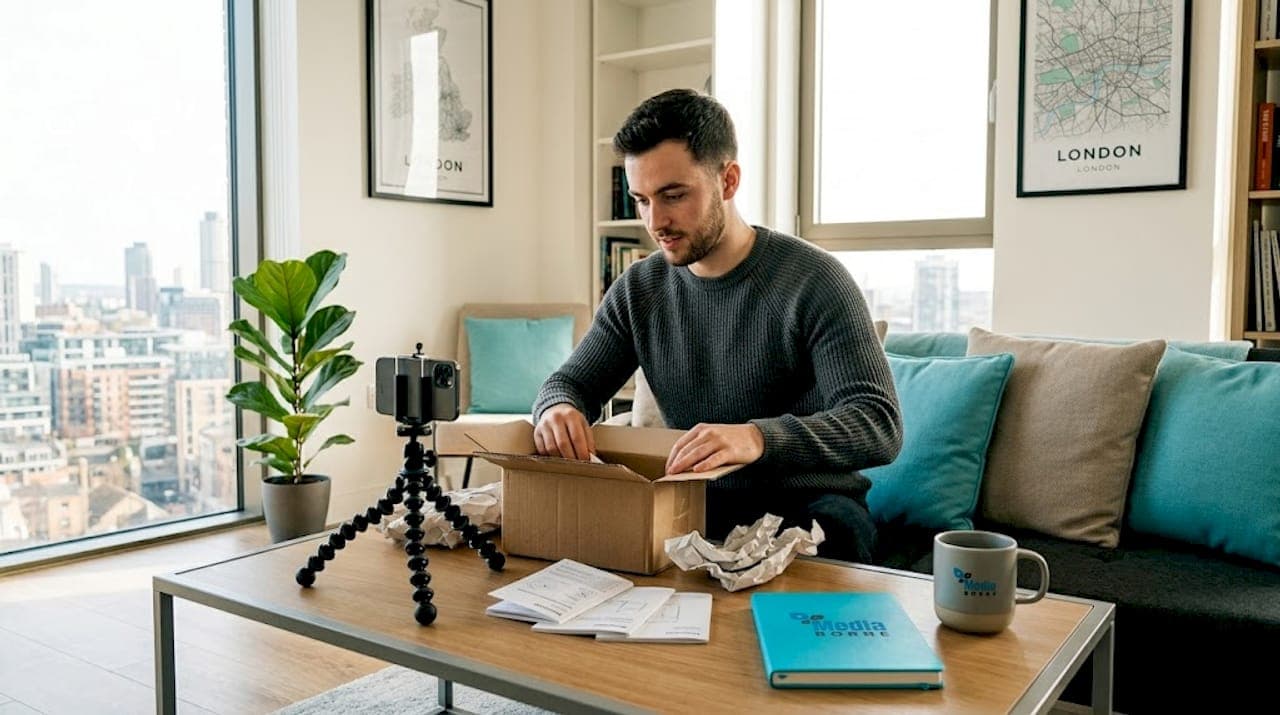
TL;DR:
- Unboxing has become a powerful, research-driven content format that influences purchase decisions and builds trust.
- Authentic, well-structured videos optimized for each platform generate higher engagement and conversion rates.
Unboxing has grown from a niche corner of YouTube into one of the most watched content categories on the planet. With over 500,000 daily uploads on YouTube alone, the format has become a genuine cultural force, shaping purchase decisions and building communities around products before buyers ever visit a shop. Whether you are hunting for the best unboxing experiences to watch, sizing up a gadget before buying, or considering creating your own content, understanding what separates compelling unboxing videos from forgettable ones is the difference between minutes well spent and minutes wasted.
Table of Contents
- Key takeaways
- What makes a great unboxing video
- Top unboxing video styles and formats
- Comparing unboxing formats at a glance
- Tips to maximise your unboxing video impact
- Emerging trends shaping unboxing in 2026
- My honest take on why unboxing refuses to die
- Take your unboxing content further with Mediaborne
- FAQ
Key takeaways
| Point | Details |
|---|---|
| Audience intent is purchase-led | 62% of viewers watch unboxing content while actively researching products to buy. |
| First seconds decide everything | Hook and hold rates determine whether viewers stay; product visibility within two seconds boosts trust. |
| Authenticity outperforms polish | User-generated unboxing content is 2.4x more authentic and drives significantly higher conversions than brand-produced ads. |
| Format choice shapes engagement | Tech, mystery box, luxury, and short-form formats each serve different audiences and platforms. |
| Emerging tech is reshaping the format | AR, live commerce, and AI-assisted production are changing how unboxing content is made and consumed. |
What makes a great unboxing video
Before you explore specific formats, it helps to understand what separates content people finish from content they abandon in the first ten seconds. Not all unboxing videos are equal, and a clear set of criteria makes it easier to judge quality quickly.
Viewer retention metrics matter more than view counts. Effective unboxing content for platforms like Facebook and TikTok must hit a hook rate above 30% and a hold rate above 15%. These numbers tell you whether the opening is strong enough to earn the next thirty seconds.
Key qualities to look for in standout unboxing content:
- Authentic presentation. Viewers are sophisticated. They detect over-scripted delivery quickly, and lo-fi, genuine content routinely outperforms polished studio productions in engagement and trust.
- A clear narrative arc. The best unboxing reviews build anticipation before the reveal, then sustain curiosity through sequenced discoveries rather than dumping everything on screen at once.
- Sensory audio detail. The crinkle of packaging, the click of a magnetic clasp, the thud of a product landing on a table. These unintentional ASMR effects relax viewers and reduce scepticism more effectively than any voiceover.
- Visual pacing. Good lighting, a clean surface, and deliberate hand movements keep attention without requiring expensive kit.
- Platform fit. A twelve-minute deep-dive works on YouTube. It dies on TikTok. The best creators know which format suits which platform and optimise accordingly.
Pro Tip: When evaluating unboxing videos, watch the first five seconds with the sound off. If the product is visible and the framing is interesting, the creator understands visual storytelling.
Top unboxing video styles and formats
1. Tech gadget reveals
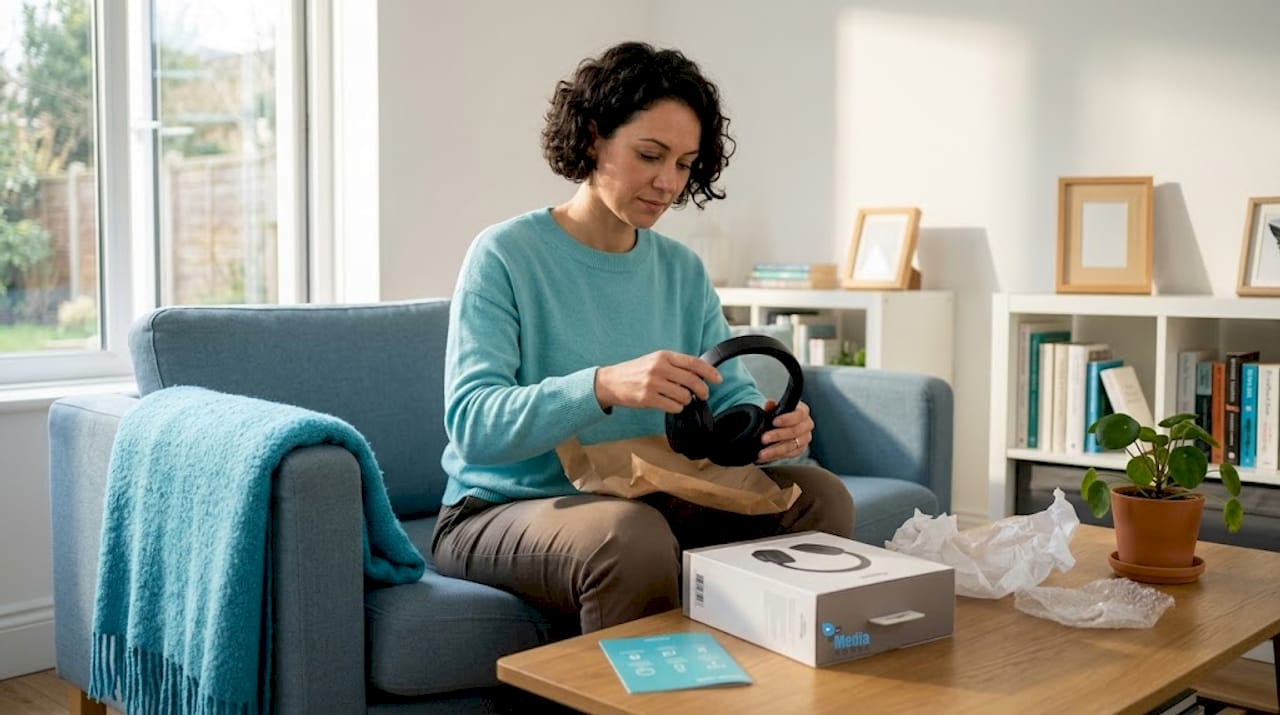
Tech unboxing is the category that built the genre. Phones, laptops, headphones, cameras. These videos attract audiences who have already done research and want confirmation before committing. The best ones combine a clean reveal with genuine testing. Dropping a product into a pocket to demonstrate size, flexing a display to show build quality, or running a quick speed comparison all add substance beyond the peel-and-look format.
2. Subscription box reveals
Monthly subscription boxes have created an entire sub-genre of unboxing haul content. The appeal here is curation surprise. Viewers do not know what is inside, so the creator experiences discovery alongside the audience. Channels built around beauty boxes, book clubs, and snack subscriptions have generated loyal communities because the content recurs, builds expectation, and rewards regular viewers with insider knowledge.
3. Luxury and limited-edition unboxings
Unboxing a £3,000 watch or a limited-run trainer collaboration is aspirational viewing. Unique packaging with layered reveals and emotional presentation triggers vicarious possession, the psychological state where viewers simulate ownership without purchasing. These videos tend to attract older, higher-income audiences and perform well as long-form content on YouTube.
4. Mystery and blind box formats
Blind boxes, trading cards, and mystery collectables have exploded in popularity. The format thrives on randomness and the possibility of a rare pull. Creators filming these often build entire communities around shared anticipation. The emotional range from disappointment to delight is genuinely compelling viewing, and the format's replayability is high.
5. Short-form social media unboxings
TikTok and Instagram Reels have compressed the unboxing format into sixty-second bursts. These are high-energy, rapid-cut reveals that prioritise reaction over explanation. Short-form video drives significantly more engagement than longer formats on social platforms, and unboxing content adapts naturally to this because the reveal moment is inherently brief and visually satisfying.
6. Live commerce unboxing streams
Live selling on TikTok Shop, YouTube Live, and similar platforms has merged unboxing with real-time purchasing. A creator opens a product, answers questions, and a viewer can buy within the same session. This format converts at a higher rate than pre-recorded content because the social proof is immediate and the purchase friction is minimal.
7. Virtual and augmented reality unboxing
AR and VR formats are still emerging but already compelling. Viewers can virtually open packaging or inspect a product from every angle before it ships. For gadget brands and luxury goods especially, this format removes the distance between content and conversion in a way that standard video cannot.
Pro Tip: If you are building an unboxing channel, start with one format and master it before branching out. The channels with the largest audiences typically own one niche very deeply before expanding.
Comparing unboxing formats at a glance
| Format | Ideal audience | Engagement benefit | Production complexity | Best platform |
|---|---|---|---|---|
| Tech gadget reveals | Tech enthusiasts, 18-35 | High retention, purchase intent | Medium | YouTube |
| Subscription box hauls | General consumers, 16-40 | Repeat viewership, community | Low | YouTube, TikTok |
| Luxury unboxings | Aspirational viewers, 25-45 | Emotional resonance, shareability | Medium | YouTube, Instagram |
| Mystery and blind box | Collectors, 13-30 | High emotion, replayability | Low | TikTok, YouTube Shorts |
| Short-form social | Broad, 13-30 | Fast reach, high share rate | Low | TikTok, Reels |
| Live commerce streams | Active shoppers, 18-40 | Direct conversion, real-time trust | High | TikTok Shop, YouTube Live |
| VR and AR unboxing | Tech-forward, 20-40 | Immersive, high novelty | Very high | YouTube, Meta platforms |
Tips to maximise your unboxing video impact
Whether you are creating unboxing content or just trying to identify the best ones to watch, these practical strategies separate average output from genuinely engaging video.
- Show the product in the first two seconds. This acts as a visual anchor that builds trust and dramatically reduces bounce rate. Viewers searching for a specific product need confirmation immediately.
- Test multiple hook variations. Varying your opening visuals and first lines is one of the highest-leverage improvements a creator can make. What works for one audience segment may fail for another.
- Lean into lo-fi authenticity. A slightly imperfect delivery, a visible hand, real ambient sound. These details signal that the reviewer is a real person, not a brand marketing department.
- Pace your sequencing deliberately. Do not reveal everything at once. Open the outer box, pause. Remove the inner packaging, pause. Let anticipation build. Dopamine-driven anticipation is the reason viewers watch three minutes of someone removing tissue paper.
- Keep a test kit ready. Having batteries, cables, or any required tools nearby prevents video pacing interruptions that kill momentum. This is a simple production habit that most beginners overlook.
- Optimise for each platform separately. Repurposing a twelve-minute YouTube video as a TikTok does not work. Vertical framing, captions, and faster cuts are non-negotiable for short-form platforms. For video campaign optimisation, the platform should dictate format from the outset.
Pro Tip: Treat every unboxing like a story with three acts: setup (what is this product and why does it matter), reveal (the physical opening), and verdict (first impressions and honest reaction). Viewers stay when they sense a payoff is coming.
Emerging trends shaping unboxing in 2026
The format is not standing still. Several forces are changing what unboxing videos look like and where audiences find them.
AI-assisted production now allows creators to test multiple versions of an opening sequence quickly, improving creative velocity for both independent creators and marketing teams. What once took days of editing can now be iterated in hours.
Sustainability is entering the narrative. Eco-conscious viewers are starting to reward brands whose packaging generates positive unboxing content through minimal waste and reusable materials. The packaging itself has become a content engine with built-in share triggers, turning every delivery into a potential social post.
Live commerce integration is accelerating. Rather than a passive viewing experience, the best unboxing formats in 2026 are transactional, with purchases happening mid-stream. Top unboxing creators on YouTube already earn sponsorships averaging £50,000 per video, and live commerce layers direct revenue on top of that.
Cross-platform syndication is becoming standard. A single unboxing session is now edited into a full YouTube review, a sixty-second TikTok, and a series of Instagram Story frames, each tailored to the platform's audience behaviour.
These shifts mean that digital fatigue and overconsumption will increasingly challenge creators to add genuine value rather than simply being present.
My honest take on why unboxing refuses to die
I have watched unboxing culture get written off as a passing trend at least four times in the past decade. Each time, the numbers went up.
The reason is not complicated. Unboxing produces a feeling that polished advertising simply cannot replicate. When 62% of viewers are watching in active shopping mode, they are not passively entertained. They are conducting research through proxy experience, and that is genuinely useful. No brand script can replicate the credibility of watching a real person react to a real product in real time.
What concerns me about the current moment is the sheer volume. With half a million uploads daily, the format is getting crowded. The creators who will thrive are those who understand that unboxing is really about trust, and trust comes from consistency, honesty, and an authentic point of view. Producing videos that drive real engagement requires more than a camera and a parcel. It requires understanding what your audience needs to feel before they will believe you.
The future of unboxing belongs to creators who treat their viewers as intelligent people making real decisions, not passive consumers waiting to be dazzled.
— Stephen
Take your unboxing content further with Mediaborne
If you are serious about producing unboxing videos that convert viewers into customers, production quality and strategic framing matter more than most creators realise.
Mediaborne works with brands and creators to build entertainment-led content that performs commercially, not just creatively. From social-first unboxing formats designed for TikTok and YouTube to full-scale professional video production that brings out the best in every product reveal, the team understands how to translate attention into measurable outcomes. If you want your unboxing content to reach further and sell harder, Mediaborne's social selling video services are built precisely for that. Explore what is possible.
FAQ
What is unboxing and why is it so popular?
Unboxing is the act of opening and presenting a new product on camera, typically shared as video content on platforms like YouTube and TikTok. It is popular because it triggers vicarious possession and dopamine-driven anticipation in viewers, making it one of the most engaging content formats in digital media.
Which unboxing video format gets the most engagement?
Short-form unboxing videos on TikTok and Instagram Reels currently generate the highest reach and share rates, while long-form YouTube reviews produce stronger purchase intent and viewer retention for complex products like gadgets.
How do you make a good unboxing video?
Show the product within the first two seconds, use authentic lo-fi delivery, pace your reveal deliberately to build anticipation, and optimise your format for the platform you are publishing on.
Are unboxing videos worth it for brands?
Yes. User-generated unboxing content is 2.4 times more authentic than brand-produced content and drives 29% higher web conversions, making it one of the most cost-effective marketing formats available.
What are the biggest trends in unboxing content for 2026?
Live commerce integration, AI-assisted editing, sustainability-focused packaging narratives, and cross-platform syndication are the dominant forces reshaping unboxing content this year.