
TL;DR:
- Live commerce combines real-time video broadcasts and instant purchasing to boost sales through engagement and urgency. It requires native checkout, high production quality, and strategic streamer selection to maximize conversion. Proper planning and professionalism turn live sessions into powerful long-term marketing and sales assets.
Live commerce is defined as the practice of selling products directly through real-time video broadcasts, combining entertainment, interaction, and instant purchasing into a single session. The role of live streaming in commerce has shifted from novelty to necessity, with research confirming that live streaming produces a significant positive effect on sales turnover compared to static e-commerce methods. Platforms like TikTok Shop, YouTube Live, and tools such as Stripe's native checkout integrations are now central to how brands convert audiences into buyers. For business owners and marketers, understanding live commerce is no longer optional.
How does live streaming drive engagement and sales?
Live streaming compresses the entire shopping funnel into a single session. A viewer moves from awareness to purchase without ever leaving the broadcast, which is something no product page or email sequence can replicate.
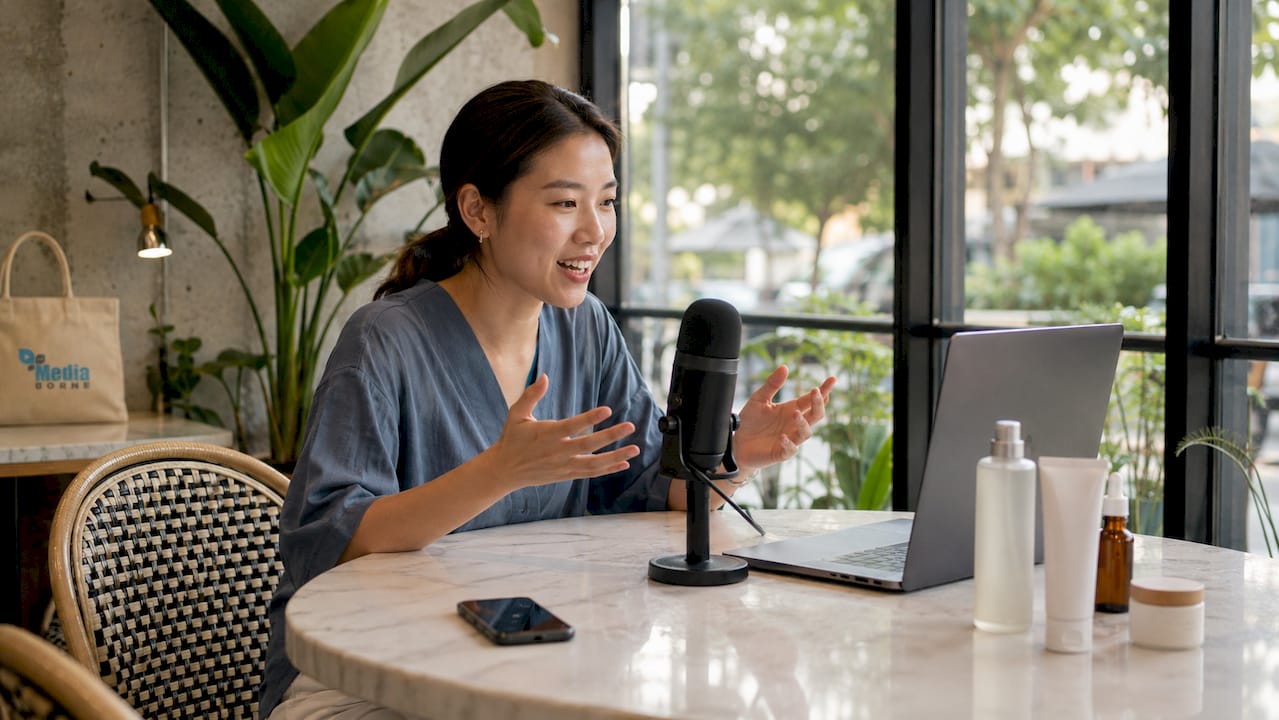
The mechanism behind this is real-time interaction. Chat functions let viewers ask questions mid-demonstration, and a skilled host answers immediately. That instant response removes the hesitation that kills conversions on static pages. Live commerce sessions retain viewers for between 10 and 30 minutes, far longer than a typical browse on an e-commerce product page. That extended attention window gives brands multiple opportunities to address objections, showcase features, and prompt a purchase.
Urgency is the other engine. Real-time stock updates and community chat momentum create genuine scarcity signals that recorded shoppable videos simply cannot manufacture. When a viewer sees 47 people watching the same item and a host announcing only 12 units remaining, the decision to buy accelerates naturally.
Product demonstrations are where live streaming separates itself most clearly from photography or written descriptions. A host can show a garment's texture, demonstrate a skincare product's consistency, or walk through software features in real time. Live demonstrations reduce return rates by giving moderately impulsive buyers transparent information before they commit. Fewer returns mean lower operational costs and stronger margins.
- Real-time Q&A removes pre-purchase hesitation at the moment it forms
- Extended viewer retention gives brands a longer window to build desire and trust
- Live urgency signals accelerate decisions without requiring artificial discounting
- Product demonstrations provide transparency that reduces post-purchase regret
Pro Tip: Structure your live session so the first product demonstration happens within the opening three minutes. Viewers who see immediate value stay significantly longer, and retention directly correlates with conversion.
What technical set-up does live commerce require?
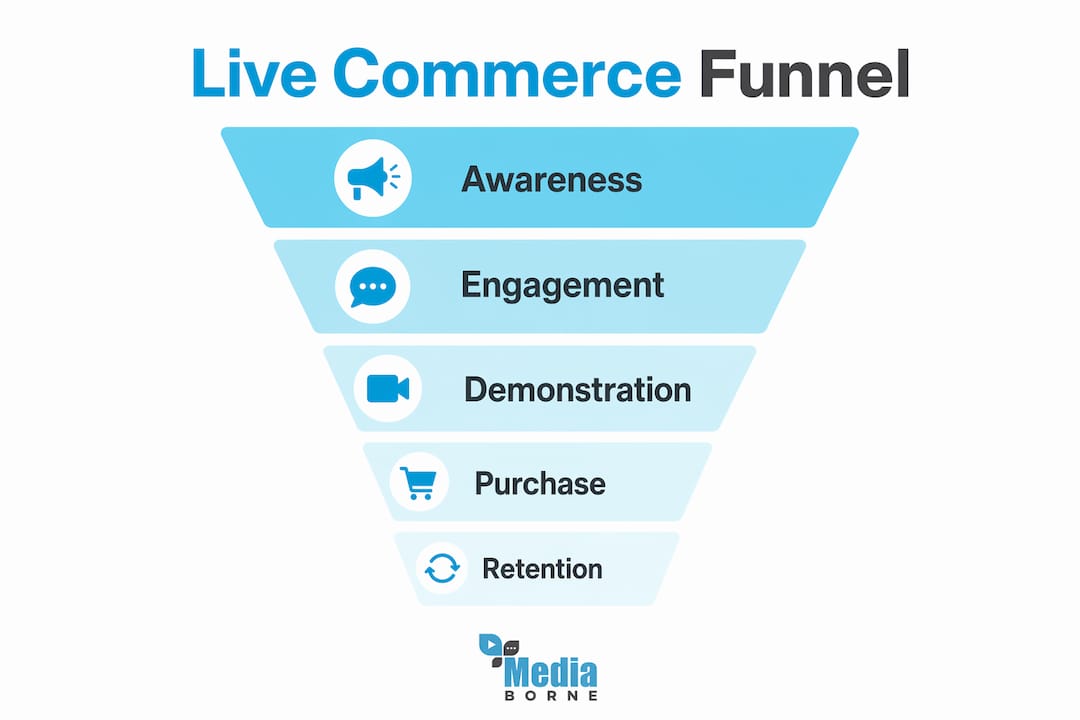
Live commerce is not standard video streaming with a buy button added. The technical requirements are distinct, and getting them wrong destroys the urgency that makes live selling effective.
Low-latency video and native checkout within the video player are the two non-negotiable foundations. Standard streaming platforms introduce lag that kills spontaneity. When a viewer clicks to buy and is redirected to a separate checkout page, drop-off rates climb sharply. Native checkout keeps the purchase inside the viewing experience, which is where the emotional momentum lives.
Pre-show preparation is equally critical. Detailed run-throughs, timed product reveals, and scripted Q&A segments are what separate high-converting broadcasts from chaotic ones. A rehearsed host knows exactly when to introduce urgency cues, when to pause for chat interaction, and when to push the call to action.
Here is a practical production checklist for your first live commerce event:
- Choose a commerce-first platform with native checkout, not a generic streaming solution
- Test your internet connection and run a full technical rehearsal at least 48 hours before broadcast
- Script your product reveal sequence, including the timing of stock announcements and discount reveals
- Assign a dedicated chat moderator to surface viewer questions for the host in real time
- Record the full session for repurposing as short-form content and on-demand product pages
Pro Tip: Never rely on a single internet connection for a live commerce broadcast. A 4G mobile backup running simultaneously has saved more than one high-stakes product launch from a catastrophic drop-out.
How do streamer tiers affect commerce outcomes?
The person in front of the camera shapes the commercial result as much as the product itself. Mid and low-tier streamers excel at genuine emotional engagement, while top-tier streamers tend to compete primarily on price. This distinction matters enormously for brand strategy.
Top-tier streamers command large audiences, but their followers expect deals. If your margin cannot support aggressive discounting, a top-tier partnership will erode profitability. Mid-tier streamers, by contrast, have built communities around trust and personal recommendation. Their audiences buy because they believe in the host's judgement, not because the price is the lowest available.
| Streamer Tier | Audience Size | Primary Sales Driver | Best Suited For |
|---|---|---|---|
| Top-tier | 1 million+ followers | Price competitiveness | High-volume, margin-flexible campaigns |
| Mid-tier | 50,000–500,000 followers | Genuine emotional engagement | Brand-building and loyal community growth |
| Low-tier (micro) | Under 50,000 followers | Niche authority and personal trust | Specialist products and targeted audiences |
Influencer endorsements amplify live streaming effectiveness when the streamer's audience genuinely aligns with the product category. A beauty brand pairing with a mid-tier skincare creator on TikTok Live will consistently outperform a top-tier general lifestyle partnership on conversion rate, even if the raw audience numbers are smaller. You can explore how influencer-led live content translates into measurable commercial outcomes for a deeper look at this dynamic.
Investing in streamers who build long-term brand rapport is the more durable strategy for brands focused on sustained growth rather than one-off sales spikes.
How is live streaming used differently in b2c and b2b?
The mechanics of live commerce apply across both consumer and business markets, but the objectives and formats differ significantly.
In B2C, the goal is immediate conversion. Entertainment, impulse buying, and community energy drive results. A fashion brand on Instagram Live, a food brand on TikTok Shop, or a consumer electronics company on YouTube Live all use live streaming to create desire and close sales within the session. The shopping experience is designed to feel exciting, social, and time-sensitive.
B2B live streaming serves a different purpose. B2B live streaming replaces repetitive sales calls by answering complex buyer questions live to multiple stakeholders simultaneously. A single 60-minute product demonstration webinar can address procurement, technical, and commercial teams in one session, which is something that would otherwise require three separate meetings. This format humanises the brand and accelerates long decision cycles.
Practical B2B live formats include:
- Expert panels: Position your leadership team as authorities by hosting live discussions on industry challenges, with viewer questions answered in real time
- Product demonstration webinars: Walk multiple stakeholders through features and integrations, removing technical objections before they stall a deal
- Customer case study sessions: Invite existing clients to speak live about their results, providing social proof that no written testimonial can match
- Live Q&A office hours: Regular scheduled sessions that nurture leads who are not yet ready to buy but are actively evaluating options
HubSpot reports that 93% of marketers say video helps people understand products better. Live streaming builds on that foundation by adding real-time dialogue, which is the element that closes the gap between interest and commitment in B2B sales cycles.
One underused advantage in both sectors is the recorded session. A live broadcast that converts well in real time also becomes a product page asset, a sales enablement tool, and a content marketing resource. The live streaming approach to e-commerce sales extends well beyond the broadcast itself when you plan for repurposing from the start.
Key takeaways
Live commerce succeeds when real-time interaction, production quality, and the right streamer combine to compress the shopping funnel into a single, high-converting session.
| Point | Details |
|---|---|
| Funnel compression | Live sessions move viewers from awareness to purchase in one broadcast, faster than any static page. |
| Technical foundations | Native checkout and low-latency video are non-negotiable for maintaining purchase momentum. |
| Streamer selection | Mid-tier streamers deliver stronger long-term brand value than top-tier price-driven partnerships. |
| B2B application | Live Q&A and webinars replace multiple sales calls and humanise complex buying decisions. |
| Repurposing value | Every recorded live session becomes a reusable asset for product pages, sales tools, and content. |
Why most brands are still getting live commerce wrong
I have watched brands invest in live streaming and then wonder why it did not move the needle. The honest answer, almost every time, is that they treated it as a broadcast rather than a conversation.
The brands that win with live commerce treat each session as a live event with production values, a clear narrative arc, and a host who genuinely knows the product. They rehearse. They assign a chat moderator. They time their urgency cues. The brands that struggle go live with a phone propped against a mug and hope enthusiasm carries the session.
Scaling a product launch from hundreds to thousands of viewers instantly is one of live streaming's most compelling advantages. But that scale amplifies both your strengths and your weaknesses. A polished, well-prepared session builds brand credibility at speed. A poorly produced one does the opposite, and the audience remembers.
My advice to any business owner considering live commerce for the first time: use a flagship product launch as your proof of concept. Commit to proper production, choose a mid-tier creator whose audience genuinely fits your product, and measure everything. Conversion rate, average watch time, return rate on items sold live, and repeat purchase behaviour in the 30 days following the broadcast. That data will tell you more about your audience than six months of passive analytics.
Authenticity matters more than discounts. Viewers stay for hosts they trust, not for the cheapest price. Build that trust through consistent, well-produced live content, and the commercial results follow.
— Stephen
Elevate your live commerce with professional production
Live commerce rewards brands that show up with production quality that matches their ambition. Poor audio, unstable video, and an unprepared host undo the commercial potential of even the best product.
Media borne produces live commerce broadcasts and branded video content that converts attention into sales. From pre-show planning and technical set-up through to filming, editing, and post-broadcast repurposing, the team handles the production so you can focus on your audience. Whether you are launching a product on TikTok Live, running a B2B webinar series, or building a recurring live shopping programme, Media borne's video production services are built to deliver measurable commercial outcomes. Explore how professional production can transform your next live session.
FAQ
What is live commerce and how does it differ from standard e-commerce?
Live commerce is the practice of selling products through real-time video broadcasts with interactive chat and integrated checkout. Unlike static product pages, live commerce compresses awareness, consideration, and purchase into a single session.
How does live streaming increase sales conversion rates?
Live sessions retain viewers for 10–30 minutes and use real-time urgency signals, product demonstrations, and instant Q&A to remove purchase hesitation at the moment it forms.
Which platform is best for live commerce in the UK?
TikTok Shop, YouTube Live, and Instagram Live are the leading platforms for B2C live commerce in the UK. B2B brands typically use webinar platforms with native video and integrated lead capture.
Do i need a professional production set-up to start live selling?
A basic set-up with good lighting, stable internet, and a dedicated chat moderator is sufficient to start. However, professional production standards significantly improve viewer retention and brand credibility as you scale.
How does live streaming benefit b2b businesses specifically?
B2B live streaming replaces multiple stakeholder sales calls with a single session, answers complex buyer questions in real time, and humanises the brand throughout long decision cycles.